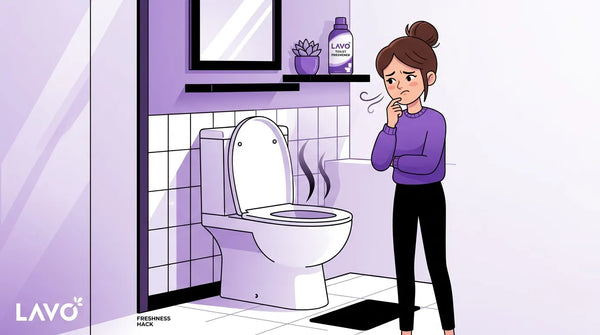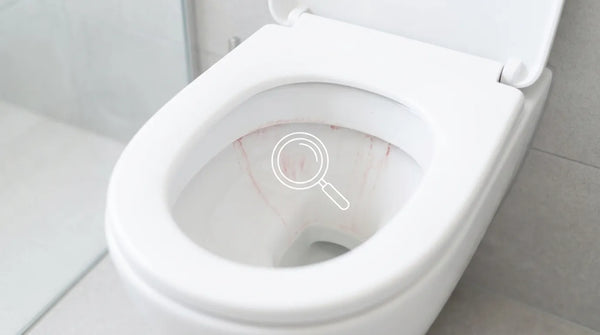

You scrub the toilet. It looks clean. Two or three days later, the ring is back.
If that sounds familiar, you are not dealing with laziness or a bad cleaning routine. You are usually dealing with hard water buildup, and that changes everything.
A lot of toilet cleaners make the bowl look better for a short time. Fewer of them actually help stop the ring from coming back. That is why so many people end up in the same frustrating cycle of scrubbing, bleaching, and starting over again a few days later.
This guide explains what usually causes a toilet ring to keep returning, why some popular products fall short, and what works better if you want a bowl that stays cleaner with less effort.
Why toilet bowl rings keep coming back
It is usually a mineral problem first
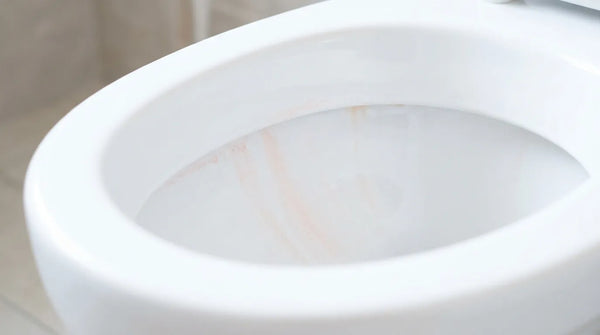
When a ring keeps forming at the waterline, it is often not just dirt. In many homes, especially with moderate or hard water, the real issue is mineral buildup left behind by repeated flushing and standing water.
Once that buildup starts forming, it creates a rough surface that grabs onto discoloration more easily. That is why the bowl can look dirty again surprisingly fast even after a proper cleaning.
Why regular scrubbing does not fix the root cause
Scrubbing removes the visible ring in that moment. It does not change what happens after the next 20 or 30 flushes.
If your water keeps leaving behind minerals, then brushing the bowl once a week becomes a rescue job, not a prevention strategy. You are removing the symptom, but the same chemistry keeps happening in the background.
Why common toilet cleaners often disappoint
Bleach can whiten, but it does not always solve mineral buildup
Bleach has its place. It can help with sanitizing and it can make stains look lighter.
But if the ring is mainly limescale or hard water deposit, bleach often is not the best tool for the real job. That is one reason so many people search for alternatives after trying bleach tablets and still seeing the same ring come back.
If you are comparing options, it is worth reading Are Bleach Tablets Bad for Toilet Tanks?.
Vinegar helps, but often not consistently enough
Vinegar can soften mineral deposits because it is acidic. The problem is that most people use it only occasionally.
That means it may help for a day or two, but it does not usually keep the bowl protected in between cleanings. For recurring buildup, consistency matters more than one strong cleaning session.
Gels and drop-ins often focus on the wrong thing
Many toilet gels are built around smell, foam, color, or a temporary clean look. Those things can be satisfying, but they do not necessarily mean the formula is doing much against the mineral layer itself.
That is why some toilets still develop the same line again a few days later. The surface looks refreshed, but the root issue is still there.
What actually works for hard water toilet rings
Use an acid-based cleaner for mineral buildup
If the stain keeps returning at the waterline, an acid-based solution usually makes more sense than a bleach-first approach. Mineral buildup responds better to ingredients designed to dissolve scale rather than only whiten what you can see.
That is why citric acid stands out. It is a better fit for the type of problem many households are actually dealing with.
For a deeper comparison, see The Best Toilet Cleaner for Hard Water: What Actually Dissolves Limescale.
Think maintenance, not rescue cleaning
This is the shift most people miss.
The question is not just, “What removes a toilet ring today?” The better question is, “What keeps that ring from rebuilding after every flush?”
Once you frame it that way, the best solution is usually something that keeps working over time instead of something you use only after the bowl already looks bad.
Citric acid toilet cleaner: DIY or pod?
DIY can work, but it adds another chore
A DIY citric acid approach can help if you are willing to pour, soak, wait, and repeat. Some people like that because it feels simple and inexpensive.
The problem is real life. Most people are not looking for a new toilet-cleaning ritual. They want the ring gone and they want it to stop coming back without becoming another thing on the weekly checklist.
A pod system fits normal life better
A pod-based system changes the rhythm. Instead of attacking the bowl only once buildup is visible, it keeps helping the bowl a little at a time through normal flushing.
That is what makes it more practical for long-term maintenance. The goal is not to “deep clean harder.” The goal is to stop the toilet from sliding back into the same condition again.
If you want the full breakdown, read Citric Acid Toilet Cleaner: DIY vs Pod.
The easiest low-effort solution for people tired of scrubbing
Where LAVO fits in
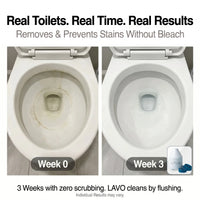
LAVO is built for the exact problem a lot of households have: the toilet bowl ring that keeps returning because of ongoing mineral buildup.
The pod sits in the tank and works through normal flushes, helping deliver a citric-acid-based treatment into the bowl over time. That matters because it shifts toilet care away from repeated emergency scrubbing and toward steady maintenance.
Why that matters in practice
What most people want is not a fancy cleaning routine. They want to stop thinking about the bowl so often.
That is why this approach makes sense for homes where the ring always comes back. Instead of waiting until the toilet looks bad again, the bowl gets ongoing help in the background.
That can mean:
-
Less manual brushing.
-
Less frustration with recurring stains.
-
Less trial and error with tablets, gels, and random cleaner swaps.
-
A better fit for moderate and hard water homes.
You can see the product here: LAVO Brushless Care Pod.
Who this helps most
This kind of solution is best for people who recognize at least one of these situations:
-
The toilet ring comes back within a few days.
-
The home has moderate or hard water.
-
Bleach tablets made little real difference.
-
Vinegar helped, but only temporarily.
-
Scrubbing the bowl is becoming a constant routine.
If your toilet almost never develops a ring, then the difference may not feel dramatic. But if buildup at the waterline is a normal part of your week, then using the right chemistry makes a noticeable difference.
A smarter way to think about toilet cleaning
A lot of bathroom cleaning advice is built around doing more. More scrubbing, stronger chemicals, harsher smell, longer soak time.
But hard water problems usually do not improve because you suffer harder once a week. They improve when the bowl gets the right kind of help more consistently.
That is the main reason so many people keep buying new cleaners and staying disappointed. The issue is not effort. It is mismatch.
If the problem is mineral buildup, the cleaner should be chosen for mineral buildup.
Common questions
Does this replace cleaning the whole toilet?
No. The toilet seat, handle, lid, and outer surfaces still need normal wiping and sanitizing.
This is about the inside of the bowl, especially the hard water ring at the waterline.
Is this only useful in very hard water areas?
No. Moderate hard water is enough to cause the “clean today, ring again in three days” pattern many people hate.
You do not need the worst water in the country to end up stuck in that cycle.
What if I want a non-bleach option?
Then a citric-acid-based solution is one of the most logical places to start. If that is your goal, this article may also help: Non-Toxic Toilet Cleaner That Works.
The better long-term fix
If you are tired of scrubbing the same toilet ring over and over, stop treating it like a random stain. In many homes, it is a repeat mineral problem, and that means the solution should be built around ongoing scale control.
That is why a citric-acid-based system like LAVO makes more sense than just rotating through stronger gels or bleach products and hoping for a different result. It is a simpler, lower-effort way to keep the bowl cleaner longer without turning toilet care into a constant chore.