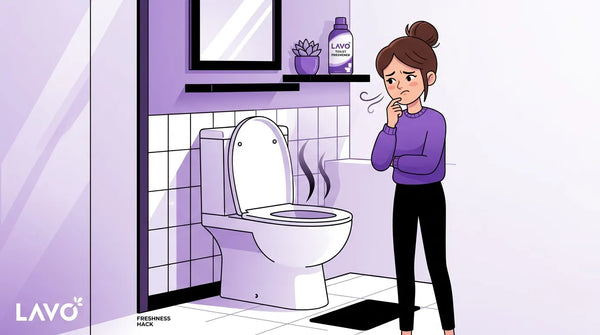

If you live in a hard water area, you already know the pattern: you scrub the toilet, it looks clean for a day or two, and then that ugly ring starts creeping back like nothing happened.
That was my normal.
Before this test, I was cleaning my toilet bowl at least once a week, sometimes twice. The ring came back within three to four days without fail. I tried multiple toilet bowl gels, bleach tablets, and vinegar treatments. Some made the bowl smell “clean.” Some lightened the stain for a while. None stopped the cycle.
So in October, I decided to run a simple experiment: install a LAVO citric acid pod, stop scrubbing the bowl completely, and see what happened.
I didn’t do a final deep clean first. That part matters. I wanted to know whether the pod could deal with an existing hard water ring, not just help maintain a freshly scrubbed toilet.
What happened over the next 60 days honestly surprised me.
Why toilet rings keep coming back in hard water homes
Before the timeline, it helps to understand why this problem is so stubborn.
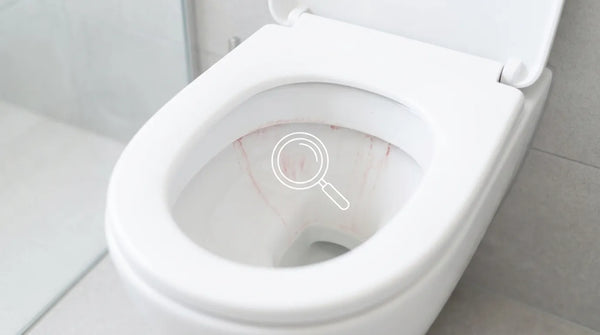
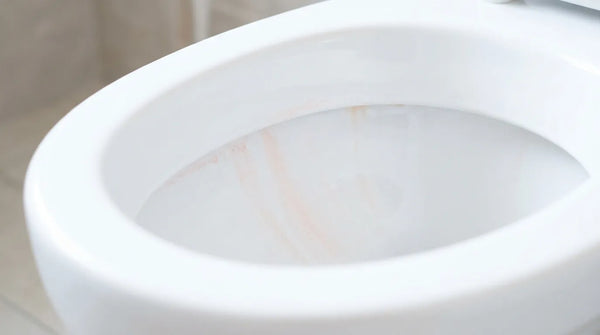
In moderate to hard water areas, the ring that forms around the waterline usually isn’t “dirt” in the normal sense. It’s mostly mineral buildup, especially limescale and other deposits left behind by repeated flushing and standing water. Once that layer forms, it becomes a magnet for discoloration and bacteria, which makes the bowl look dirty again very quickly.
That’s why a lot of people get stuck in the same frustrating loop:
-
Scrub the ring away.
-
Get a clean bowl for a few days.
-
Watch the ring come back.
-
Repeat forever.
The issue is not usually that you’re bad at cleaning. The issue is that most cleaners don’t keep attacking the mineral deposit between cleanings.
Why bleach often doesn’t solve the real problem
Bleach can disinfect and whiten stains, but hard water rings are mainly a mineral problem. Bleach is often great for germs and organic staining, but it doesn’t consistently dissolve mineral scale the way an acid-based approach can.
That’s why people often feel like bleach “worked” at first, then end up scrubbing again three days later.
Why vinegar helps, but often not for long
Vinegar can break down mineral buildup because it’s acidic. The problem is contact time and consistency. If you pour vinegar into the bowl once in a while, it may soften the ring, but it usually isn’t doing enough, often enough, to keep the deposit from re-forming.
That was my experience. Temporary improvement, no real end to the problem.
The 60-day toilet cleaning test
Here’s exactly what happened after I installed the LAVO citric acid pod.
Week 1: The blue water appears
Within the first two flushes, the bowl water turned a light blue-teal color.
I wasn’t expecting how satisfying that would be. It sounds small, but seeing the water change color gave me immediate feedback that something was active in the tank and flowing into the bowl with every flush.
At the start of the test, the ring was already there. Moderate, obvious, and familiar.
By day four, I noticed something important: the ring wasn’t gone, but it was clearly softer and lighter around the edges. It looked like it was being eaten away gradually instead of just stained over.
That was the first moment I thought, “Okay, this might actually be different.”
Week 2: The old ring starts breaking down
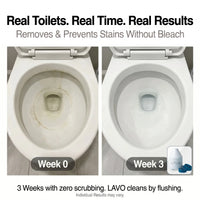
By day ten, the hard water ring that had been part of that toilet for at least a year looked about gone.
I still hadn’t touched a toilet brush.
That’s the part that changed my opinion. The flush water itself was doing work every single day. Instead of one big cleaning event followed by six days of buildup, the bowl was getting continuous treatment.
I checked the bowl daily, partly because I’m skeptical by default and partly because I wanted to see whether the blue water would fade.
It didn’t. The tab was still active. I did nothing except use the toilet normally.
Week 3: The ring disappears
On day 17, I looked into the bowl and the ring was gone.
Not “way better.” Not “barely visible.” Gone.
The porcelain at the waterline was the same white as the rest of the bowl. I had genuinely forgotten what that looked like.
If you’ve had a toilet ring for a long time, you start thinking of it as a normal feature of the bowl. It stops feeling removable and starts feeling permanent. That’s why this stood out so much.
I actually called my mother to tell her.
She was less impressed than I was, which is fair.
Weeks 4 through 8: Nothing changed, and that was the point
This was the most convincing part of the whole test.
The bowl stayed clean.
Day after day, it looked the same. I used the bathroom normally. I flushed normally. I did zero interior bowl cleaning for the rest of the 60-day period.
At the 60-day mark, the bowl still looked essentially like it did on day 17.
That’s when I stopped thinking of this as a “cleaner” and started thinking of it as a maintenance system.
Day 30: Replacing the tab
At day 30, I swapped the tab.
The whole process took about 25 seconds:
-
Pull the pod out of the tank.
-
Remove the old tab.
-
Drop in the new one.
-
Put the pod back.
The blue water came back immediately, which confirmed the new tab was active.
No mess. No scrubbing. No bowl-emptying routine.
What I cleaned during the 60 days
To be clear, I did not stop cleaning the bathroom entirely.
The toilet seat and exterior
I wiped the seat and outer surfaces down twice a week with a disinfectant wipe, which is what I normally do anyway. That took about 45 seconds each time.
That part is basic bathroom hygiene and has nothing to do with mineral buildup inside the bowl.
The bowl interior
Nothing.
Not once in 60 days.
The brush stayed in the cabinet the entire time.
What this test says about hard water toilet rings
The biggest takeaway is simple: if your toilet ring keeps coming back every few days, the problem is probably not lack of effort. It’s lack of ongoing mineral control.
Most people treat the toilet bowl like it only needs occasional rescue cleaning. In hard water homes, that usually isn’t enough. You need something that works with every flush, not just on cleaning day.
That’s why a lot of traditional products feel disappointing. They may clean the bowl in the moment, but they don’t keep the chemistry in your favor.
Realistic caveats
This worked extremely well for me, but I want to be honest about what it does and doesn’t do.
I have moderately hard water, not the worst-case water in America
My area has moderate hard water, not extreme hard water.
I’ve heard from users in places like Phoenix and Las Vegas who reported similar results, but said the existing ring took closer to three weeks to fully dissolve instead of two. That makes sense. The chemistry is doing the same job; it just has more buildup to work through.
It does not clean the whole bathroom for you
A citric acid toilet pod is for the inside of the bowl.
It does not clean:
-
The toilet seat.
-
The flush handle.
-
The outside of the toilet.
-
The floor around the base.
Those still need normal wiping and sanitizing.
If you let the tab run out, buildup can start again
In my experience, if I went too long without replacing the tab, I could see the beginning of a thin ring forming again.
The good news was that once I replaced it, that early buildup dissolved within about 48 hours. But it does show that consistency matters.
How to stop a toilet ring from coming back
If you’re dealing with the same issue, here’s the practical approach I’d recommend.
1. Identify whether it’s a mineral ring
A hard water ring usually sits right at the waterline and keeps returning quickly after cleaning. If that sounds familiar, you’re probably dealing with minerals more than surface grime.
2. Stop relying on “one-time” cleaning alone
Weekly scrubbing may remove the visible ring, but if nothing is treating the bowl between cleanings, the minerals will keep building back.
3. Use an acid-based solution for mineral deposits
Citric acid is effective because it targets the kind of buildup that bleach often doesn’t fully solve. That makes it a better fit for households where the main problem is hard water scale.
4. Maintain instead of rescue
This is the shift that mattered most for me. Instead of waiting until the toilet looked bad and then attacking it, I let every flush do a bit of maintenance.
That turns a recurring chore into something you barely think about.
Who this helps most
This kind of solution is most useful for:
-
Homes with moderate or hard water.
-
Toilets that develop a ring within a few days of cleaning.
-
People tired of scrubbing the bowl every week.
-
Households where bleach tablets and toilet gels haven’t solved the problem.
If you have very soft water and your toilet never develops a ring anyway, the difference may not feel dramatic. But for homes where the ring keeps coming back, the change is obvious fast.
The product that made the biggest difference for me
I’m careful about overhyping household products because most of them overpromise and underdeliver.
But in this case, the thing that broke the cycle for me was the LAVO citric acid pod.
What I liked most wasn’t just that it cleaned the ring. It’s that it kept the bowl from returning to the same dirty baseline a few days later.
Why it worked better than what I used before
For my situation, the key differences were:
-
It targeted mineral buildup instead of just masking it.
-
It worked on every flush, not just once a week.
-
It dissolved an existing ring without me needing to pre-scrub the bowl.
-
It kept the bowl clean with almost no effort after that.
That last point is what really sells it for me. I didn’t buy it because I wanted “blue water.” I bought it because I was tired of cleaning the same toilet over and over.
What the replacement routine is actually like
This part matters because some “set it and forget it” products are annoying in real life.
Replacing the LAVO tab took me around 25 seconds. That’s it. Pull the pod, swap the tab, put it back. Done.
Compared to regular scrubbing, it’s barely a task.
Frequently asked questions
Does the bowl ever develop new staining while the tab is active?
In my experience, no. As long as the tab was active, I didn’t see new ring buildup forming. When I delayed replacing it, I noticed the beginning of a thin ring, but it dissolved after I installed a fresh tab.
Is this typical for every household?
It’s most noticeable in households with hard water or recurring mineral ring problems. That’s where the contrast is strongest, because those are the homes where cleaning usually feels never-ending.
What happened to the toilet brush?
It’s still in the cabinet.
I haven’t used it during the 60-day test or in the months since. I keep it around, but at this point it feels more like a backup tool than part of my weekly routine.
How do I stop a toilet ring from coming back?
Use an acid-based approach that targets mineral buildup, not just bleach-based whitening. In hard water homes, ongoing treatment usually works better than occasional scrubbing alone.
What causes a ring in the toilet bowl?
Most recurring toilet rings are caused by mineral deposits from hard water collecting at the waterline.
Does citric acid remove hard water toilet rings?
Citric acid can help dissolve mineral buildup over time, especially when it’s used consistently rather than as a one-off treatment.
Is bleach or citric acid better for toilet mineral rings?
Bleach is useful for disinfecting and whitening, but citric acid is generally better suited for dissolving mineral scale from hard water.
Final verdict after 60 days
The surprising part of this experiment wasn’t that the toilet looked better after a few days.
It was that the improvement held.
That’s what separates a temporary cleaning boost from a real solution. If you’ve been scrubbing your toilet every week and watching the ring come back anyway, you don’t need another stronger-smelling gel. You need a way to stop the mineral buildup from winning between cleanings.
That’s what this changed for me.
If you want to test it for yourself, LAVO offers a 30-day risk-free trial here with free tracked shipping. If your toilet ring keeps coming back no matter what you use, this is one of the few things I’ve tried that actually changed the pattern instead of just delaying it.