
Quick Answer: DIY citric acid toilet cleaning works — the chemistry is identical. The practical problems are inconsistency (intermittent application means calcium accumulates between treatments), rubber seal concerns with acetic acid mixed solutions, and the remembering/measuring overhead. A pod system automates the consistency that makes citric acid actually effective long-term.
The DIY cleaning community has embraced citric acid enthusiastically, and for good reason. It's cheap, widely available, genuinely effective, and natural. You can buy it on Amazon or at brewing supply shops for a few dollars per pound.
So what's the argument for a manufactured pod? Let's be honest about both sides.
The DIY Method — How to make a citric acid cleaner
The most common DIY citric acid toilet approach:
Tank treatment: Dissolve 2-3 tablespoons of citric acid powder in a cup of warm water. Pour into the tank. Repeat weekly or whenever you notice buildup.
Bowl treatment: Pour a citric acid solution directly into the bowl, let it sit for 20-30 minutes, brush lightly, flush.
DIY toilet bombs: Mix citric acid with baking soda and a small amount of water to form a paste, shape into tablets, let dry. Drop one in the tank or bowl as needed.
The chemistry in all of these methods is identical to a commercial pod. Citric acid is citric acid.
Where DIY Falls Short against a Pod
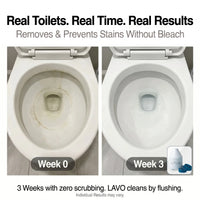
Consistency is the whole point. The reason continuous citric acid application is effective is that calcium carbonate deposits with every single flush. If you treat the tank once a week, you have 7 days of calcium accumulation before the next treatment. In hard water areas, a visible ring can form in 3 days. You're always catching up.
A pod system releases a precise amount of citric acid with every flush. 12 flushes per day × 7 days = 84 treatments per week vs. your 1. The effectiveness difference is significant.
Measurement consistency matters. Too little citric acid and the treatment is ineffective. Too much and the tank water becomes more acidic than necessary, potentially over time affecting certain metal components. A pod is engineered to release a calibrated dose.
Acetic acid (vinegar) mixtures and rubber. Many DIY recipes combine citric acid with white vinegar (acetic acid) for "extra cleaning power." Acetic acid, unlike citric acid, does have documented long-term effects on rubber components when continuously present in tank water. If you're mixing DIY solutions and adding vinegar, be aware of this difference.
The forgetting problem. The single biggest reason people's toilets aren't consistently clean is that cleaning is a task you have to remember to do. A pod doesn't require remembering. This sounds trivial but accounts for the majority of real-world results difference between DIY and automated systems.
Cost Comparison: Citric Acid DIY vs Pod
DIY citric acid (powder):
• 1 lb citric acid: ~$6-8 on Amazon
• Weekly tank treatments use roughly 2-3 tablespoons per treatment
• 1 lb contains approximately 30-35 tablespoons — so about 10-12 treatments
• Annual cost: ~$25-35 in materials + your time
Pod system:
• LAVO Starter Kit: $39.99 for 3 months
• Annualized: approximately $160/year
• Per day: ~$0.44
If cost is your primary concern, DIY is meaningfully cheaper. There's no getting around that.
If your primary concern is consistent results with zero ongoing effort, the cost difference is modest relative to the value.
The Cases Where DIY Makes Sense
• Soft water areas with light mineral buildup (low deposition rate means weekly treatment keeps up)
• High environmental consciousness and comfort with the maintenance overhead
• Households that genuinely execute weekly maintenance tasks consistently
• Budget priority over convenience
The Cases Where a Pod Makes More Sense
• Hard water areas (deposition is faster than weekly manual treatment can address)
• Anyone who has tried the DIY approach and experienced inconsistency
• Households with pets or children (sealed pod vs. open container of acid powder)
• Anyone who has failed at consistent weekly cleaning routines (most people)
What About the Environmental Difference?
Both approaches use the same active ingredient. The environmental footprint difference is in packaging — a pod system uses a reusable housing (replaced tabs only), while DIY uses bulk packaging.
For environmental purists: bulk citric acid powder in a cardboard container has essentially zero plastic waste. The pod system's reusable housing significantly reduces plastic vs. disposable alternatives, but it's not completely zero.
The Honest Verdict: DIY Citric Acid Solution worth it?
If you're organized, disciplined about weekly maintenance tasks, live in a soft water area, and want to minimize cost — DIY citric acid is a completely valid approach. The chemistry works.
If you've tried the DIY approach and found yourself with a ring three weeks later because you forgot, live in a hard water area, or simply want the peace of mind that comes from not having to think about it — a continuous pod system will produce materially better results.
The chemistry is the same. The consistency is not.
LAVO handles the consistency so you don't have to. Available at lavopure.com.