
You clean the toilet, flush, step back, and the bathroom still smells off.
That usually means the odor is not coming from the spot you just scrubbed most.
In real homes, recurring toilet odor is often caused by hidden buildup, mineral deposits, or bacteria in places normal cleaning misses, which is exactly the kind of problem your recent LAVO visitors keep searching around when they land on odor, bleach, non-toxic, and hard-water articles.
If you have been switching between bleach tablets, gels, sprays, or vinegar and still feel like the smell comes back too fast, you are not alone.
Your Clarity sample shows that searchers are repeatedly arriving from Google on posts about bleach safety, hard water, non-toxic cleaners, and why toilets still smell after cleaning, which is a strong sign this is a real buying problem rather than a random blog topic.
Why the smell keeps coming back
The bowl surface may not be the real source
Most people clean the visible part of the bowl and assume that should solve the smell.
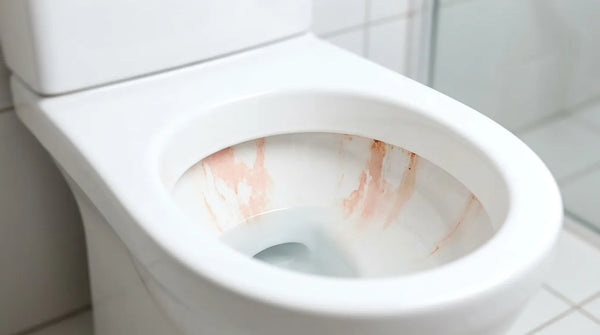
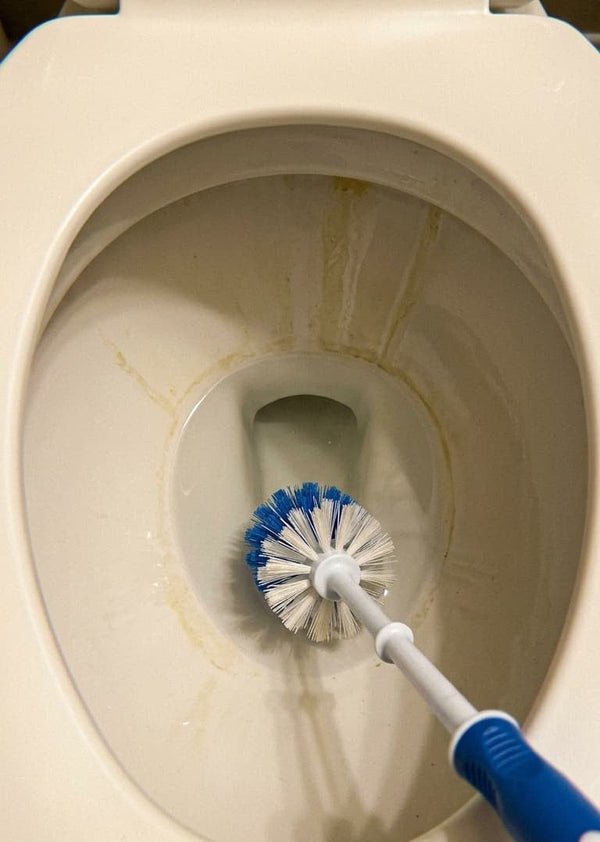
But odor often comes from buildup under the rim, along the waterline, inside tiny mineral deposits, or in residue that keeps getting rewetted with every flush.
That is also why a toilet can look clean and still smell bad a few hours later.
Hard water makes odor problems worse
If you live in a moderate or hard water area, minerals can build up on the bowl surface and create a rough layer that traps grime and helps odor linger.
That makes “just scrub it harder” a weak long-term strategy, because the surface keeps becoming easier for residue to cling to.
Your traffic already shows strong interest in hard water and limescale content, which suggests this cause is highly relevant to the audience already finding your site.
What most people try first
Bleach is not always fixing the real issue
Bleach can make a toilet smell stronger or look whiter, but that does not always mean the root cause is gone.
If the smell is tied to mineral buildup or hidden residue, bleach may improve the surface temporarily without changing why the odor returns.
That fits your current traffic pattern too, since bleach-related posts are among the recurring entry points in the Clarity export.
For readers comparing options, add this internal link here: Are Bleach Tablets Bad for Toilet Tanks?.
Vinegar and DIY methods can help, but often do not last
DIY acidic cleaners can soften some deposits, especially if the problem is mild.
But one-off treatments usually lose to a problem that comes back with every flush, especially when the bowl keeps getting new mineral exposure.
That is why many people move from DIY research into more practical, ongoing solutions.
The actual causes of toilet odor after cleaning
1. Hidden grime under the rim
The underside of the rim is easy to miss and can hold residue that keeps feeding odor even after the visible bowl looks clean.
2. Mineral scale at the waterline
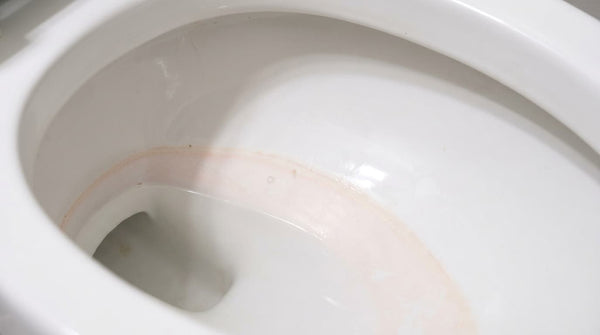
Hard-water deposits do more than stain the bowl; they can also trap odor-causing grime and make the toilet smell dirty faster.
3. Residue that keeps getting reactivated
If buildup remains in the bowl, each flush can re-wet it and keep the smell cycle going.
4. Cleaning that is too occasional
A strong once-a-week scrub often loses to a low-grade problem happening every day.
That is the same pattern behind recurring toilet rings, which is why your hard-water and citric-acid posts also keep attracting search landings.
What actually works better
Match the cleaner to the problem
If the toilet smells bad because of hidden residue and hard-water buildup, then a cleaner that helps dissolve mineral deposits makes more sense than one that only masks odor or disinfects for a short window.
That is one reason citric-acid-based approaches are a better fit for many recurring bowl issues than random cleaner rotation.
Place this internal link naturally in this section: The Best Toilet Cleaner for Hard Water: What Actually Dissolves Limescale.
Think maintenance, not emergency cleaning
The real fix is usually not “clean harder once.”
It is “stop the bowl from sliding back into the same condition after every flush.”
That maintenance-first framing also lines up with wider trend interest in hands-free, refillable, and self-cleaning bathroom solutions.
Why a citric-acid pod makes sense here
Continuous treatment beats constant rescue cleaning
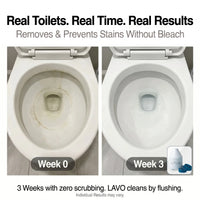
A pod-based system keeps working with normal use instead of waiting until the toilet already smells bad again.
That matters because the recurring problem is recurring exposure, not one dramatic dirty moment.
Why LAVO fits this problem
LAVO is a better fit when the toilet odor is tied to the same kind of ongoing bowl buildup that also causes returning rings and dull waterline staining.
Its citric-acid-based approach is designed around the bowl chemistry itself, which makes it more relevant for recurring buildup than a cleaner chosen mostly for smell or foam.
That product fit is also consistent with the traffic themes already bringing people to your site, especially bleach alternatives, non-toxic cleaning, citric acid, and hard-water problem solving.
Add these internal links in this section: Citric Acid Toilet Cleaner: DIY vs Pod, Non-Toxic Toilet Cleaner That Works, and LAVO Brushless Care Pod.
How to tell if this is your problem
Your toilet odor is probably a buildup problem if: