
What to Use Instead of Blue Toilet Tablets
Blue toilet tablets are popular for one simple reason: they make it look like something is working.
You flush, the water turns blue, the bowl smells cleaner, and for a moment it feels like the problem is handled.
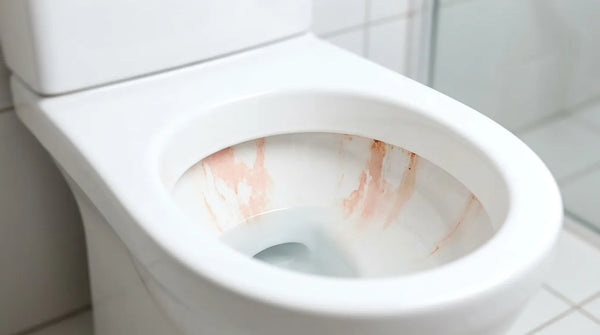
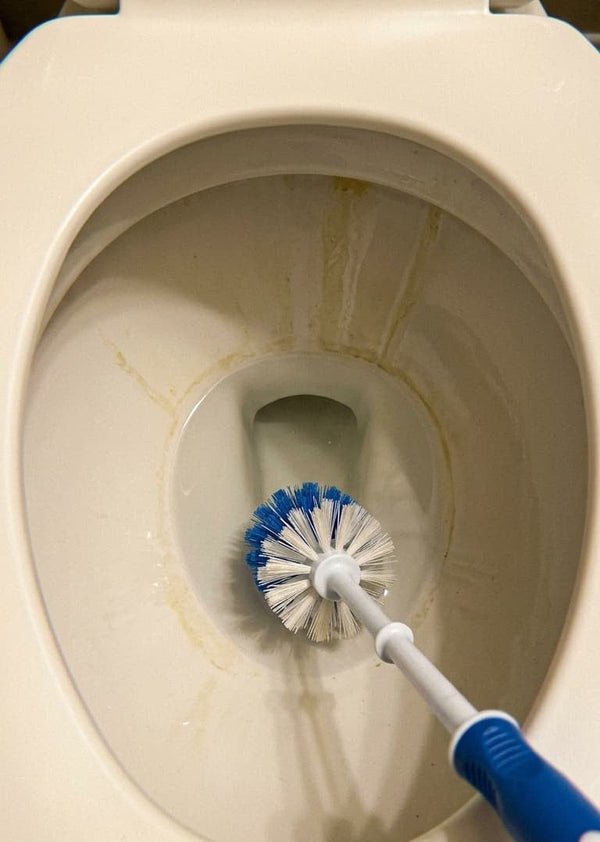
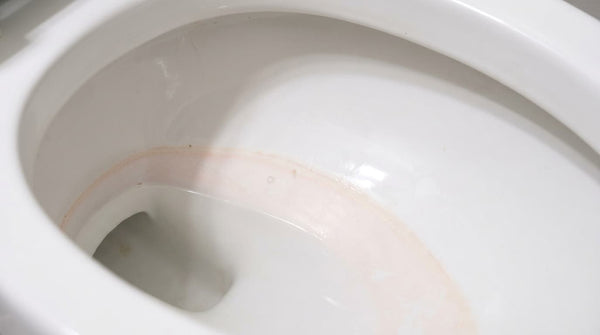
But if you have a toilet ring that keeps coming back, hard water buildup at the waterline, or a bowl that never stays truly clean for long, blue toilet tablets are often solving the wrong problem.
If you are looking for what to use instead of blue toilet tablets, the short answer is this:
Use a toilet cleaner designed for mineral buildup, not just color, fragrance, or whitening.
For most homes with recurring toilet rings, that means switching to a citric-acid-based in-tank cleaner instead of a standard bleach-style blue tablet.
Quick answer
If blue toilet tablets are not fixing the problem, the best alternatives are usually:
-
Citric-acid-based toilet tank cleaners
-
Controlled-release toilet cleaning pods
-
Bleach-free in-tank cleaners made for hard water
-
Acid-based toilet cleaners designed to help with limescale and mineral rings
These options make more sense when your main issue is:
-
A ring that comes back every few days
-
Hard water buildup
-
Limescale at the waterline
-
Constant bowl scrubbing
-
Frustration with “clean-looking” water that does not actually keep the bowl clean
Why people want an alternative to blue toilet tablets
On the surface, blue toilet tablets seem convenient.
They promise:
-
Cleaner-looking water
-
Less manual cleaning
-
Better smell
-
Easy drop-in use
That is why so many people keep buying them.
But the real-world disappointment is usually the same:
-
The bowl looks better for a few days
-
The ring fades a little
-
The same buildup comes back
-
You end up scrubbing again anyway
That pattern fits what your current content is already attracting traffic around, especially bleach tablet concerns, hard-water issues, and citric-acid alternatives.Clarity_LAVO._Last_100_Recordings_06-05-2026-23-22.csv
What blue toilet tablets usually do well
To be fair, blue toilet tablets are not useless.
They can help with:
-
Water color that signals the product is active
-
Temporary freshness
-
Some whitening effect
-
Surface-level clean appearance
If your toilet rarely develops a ring and you mainly want a more “freshened” bowl, that may be enough.
But that is not why most frustrated buyers keep searching for alternatives.
Most people searching for something better are dealing with a recurring problem, not a cosmetic one.
Why blue toilet tablets often fail on toilet rings
The main issue is that many blue tablets are built more for appearance and disinfection than for dissolving hard water deposits.
So if the real problem in your toilet is mineral buildup, the tablet may lighten the stain on top while leaving the deposit underneath in place.
That is why the ring comes back.
The ring is often a hard water problem
A lot of toilet rings are not just “dirt.”
They are usually made worse by:
-
Hard water minerals
-
Limescale buildup
-
Rough deposits at the waterline
-
Residue that keeps collecting on top of old buildup
If that sounds familiar, the answer is usually not “another blue tablet.”
It is different chemistry.
What to use instead
Here are the best alternatives, depending on what problem you are actually trying to solve.
1. Use a citric-acid toilet cleaner for recurring hard water rings
If your toilet ring keeps coming back, this is usually the best place to start.
Citric-acid-based cleaners make more sense than standard blue tablets because they are aimed at the type of buildup many toilets actually have.
Why this option is better for many homes:
-
Better fit for hard water and limescale
-
Helps with the mineral layer, not just the color on top
-
More useful for recurring waterline rings
-
Better long-term logic than repeated bleach-style whitening
This is especially true if you are tired of cleaning the same toilet over and over again and getting the same result every week.
For a deeper breakdown, read Citric Acid Toilet Cleaner: DIY vs Pod.
2. Use a controlled-release in-tank pod instead of a basic drop-in tablet
Not all toilet cleaners are different only because of ingredients.
The format matters too.
A simple loose tablet can dissolve quickly and unevenly. A controlled-release pod is usually a better system when the goal is steady maintenance over time.
Why this format is stronger:
-
More consistent release with each flush
-
Better for ongoing maintenance
-
Less “burst and fade” effect
-
Better fit for people who want less scrubbing, not just bluer water
This matters because toilet buildup is usually not a one-time problem. It is a repeated-exposure problem.
3. Use a bleach-free toilet tank cleaner if you want a gentler alternative
Some people are not only frustrated with performance. They also want a non-bleach option.
That is another reason blue tablets lose appeal.
A bleach-free alternative can make sense if you want:
-
A less harsh-smelling cleaner
-
A formula built around mineral control instead of just whitening
-
A better fit for ongoing use
-
A product that feels closer to maintenance than chemical shock
If that is your angle, this article also fits well: Non-Toxic Toilet Cleaner That Works.
4. Use a cleaner made specifically for hard water, not general toilet freshness
This is the real buying shift.
A lot of toilet products are sold as “automatic” cleaners, but that still leaves one important question:
Automatic cleaning for what exactly?
If your issue is hard water scale, mineral rings, and dull buildup, then a general freshening tablet is not enough.
You want a product designed for:
-
Hard water toilets
-
Limescale
-
Ring prevention
-
Ongoing bowl maintenance
That is the difference between a product that looks active and one that is actually relevant.
For more on that angle, see The Best Toilet Cleaner for Hard Water: What Actually Dissolves Limescale.
How to know if blue toilet tablets are the wrong product for you
Blue toilet tablets are probably the wrong fit if:
-
Your toilet ring comes back within 3 to 5 days
-
You live in a hard water area
-
The bowl looks cleaner briefly, then slips back fast
-
You are still brushing the bowl every week
-
You feel like the blue water is more impressive than the actual result
If that is your situation, you probably do not need a stronger version of the same category.
You need a product built around the real cause of the problem.
What to avoid when switching away from blue toilet tablets
If you want better results, avoid choosing your next product based only on:
-
Water color
-
Fragrance
-
“Powerful” packaging language
-
Generic “automatic cleaner” claims
-
Short-term whitening
Those features are easy to market.
They are not always what keeps the bowl cleaner longer.
Instead, look for:
-
Clear ingredient logic
-
Hard water relevance
-
Citric-acid or similar descaling focus
-
A consistent release system
-
A product meant for the inside-bowl buildup problem
The best alternative for most hard water homes
For most people searching for an alternative to blue toilet tablets, the smartest switch is a citric-acid-based controlled-release pod.
Why?
Because it addresses the real issue more directly:
-
Recurring mineral buildup
-
Hard water rings
-
Constant re-staining
-
The need for ongoing maintenance, not one-time rescue cleaning
That is where LAVO fits.
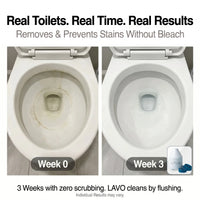
LAVO was designed for the inside-bowl problem that many people try to solve with blue tablets but never really fix: the repeating ring caused by ongoing buildup.
Instead of focusing on just making the water look active, the system is built around helping the bowl stay cleaner with continued use.
You can see the product here: LAVO Brushless Care Pod.
LAVO vs blue toilet tablets
If you want the simplest comparison, it looks like this:
Blue toilet tablets
-
Good for colored water
-
Often chosen for freshness and whitening
-
Usually feel active fast
-
Often disappointing for recurring hard water rings
Citric-acid pod systems like LAVO
-
Better fit for mineral buildup
-
More relevant for hard water homes
-
Stronger logic for ring prevention
-
Better for people who want less scrubbing over time
That is the real difference.
One category mostly improves the appearance of cleaning.
The other is better aligned with the chemistry of the problem.
Frequently asked questions
Are blue toilet tablets bad?
Not necessarily.
They are just often the wrong product for people who are mainly fighting hard water rings or recurring limescale.
What is the best bleach-free alternative to blue toilet tablets?
For most hard water homes, a citric-acid-based in-tank cleaner is one of the best alternatives because it is better suited to recurring mineral buildup.
What if I want to stop scrubbing my toilet so often?
Then look for a cleaner designed for ongoing maintenance, not just surface-level freshness. That usually means a better ingredient system and a better delivery format.
Do I need to stop using automatic toilet cleaners completely?
No.
You usually just need a better kind of automatic cleaner.
Final takeaway
If blue toilet tablets are not giving you the result you want, the problem is probably not that you need a stronger blue tablet.
The problem is that you need a cleaner designed for the reason the ring keeps coming back.
For most homes, the best thing to use instead of blue toilet tablets is a citric-acid-based, controlled-release toilet cleaner that helps with hard water buildup over time.
That is the smarter switch if you want:
-
Less scrubbing
-
Fewer recurring rings
-
A cleaner bowl that lasts longer
-
A solution that matches the actual problem
If your toilet still looks dirty a few days after every cleaning, stop choosing based on blue water alone. Choose the chemistry that makes more sense for the job.