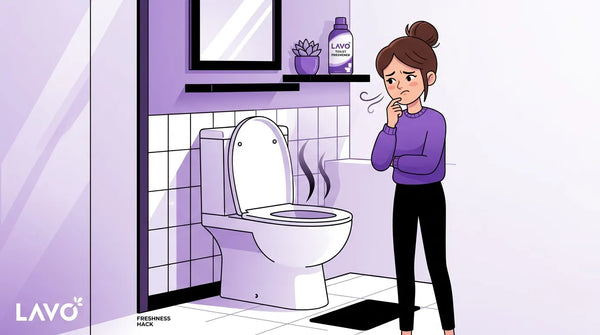

It's the internet's favorite cleaning hack, and every summer it makes the rounds again right around barbecue season, when everyone's got a couple of flat, half-drunk two-liters sitting in the garage fridge. The claim: pour a can of Coke into your toilet bowl, let it sit, and watch it dissolve stains like magic. So does coke really clean your toilet, or is this one of those "my aunt swears by it" myths that doesn't hold up once you look at the actual chemistry?
Here's the short answer. It does something. It's just not the something most people think, and it's nowhere near as good as what's actually sitting in your pantry right now.
Why This Myth Won't Die
The Coke toilet trick has been floating around since at least the 1980s, and it makes intuitive sense at first glance. Coke is acidic. Acid dissolves mineral stains. Therefore Coke should dissolve toilet stains. The logic isn't wrong, exactly. It's just missing a few important details that determine whether something actually works in practice.
What's Actually in a Can of Coke
Coke gets its acidity mostly from phosphoric acid and citric acid, with a pH somewhere around 2.5. For comparison, that's roughly as acidic as vinegar, maybe a touch more. Phosphoric acid genuinely is used in some professional descaling products, so this isn't a total fabrication. There's real chemistry happening here.
The problem is concentration. A commercial descaler is formulated to have enough acid packed in to do real work fast. A can of Coke is mostly water, sugar, and carbonation, with just enough acid mixed in to give it that sharp taste you're used to. Think of it like the difference between a shot of espresso and a cup of coffee made with one bean. Same basic ingredient, wildly different strength.
So Does Coke Really Clean Your Toilet, or Not?
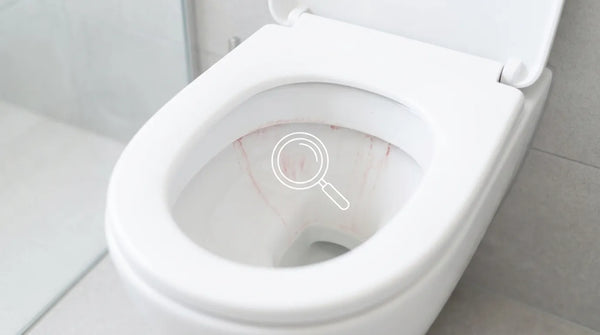
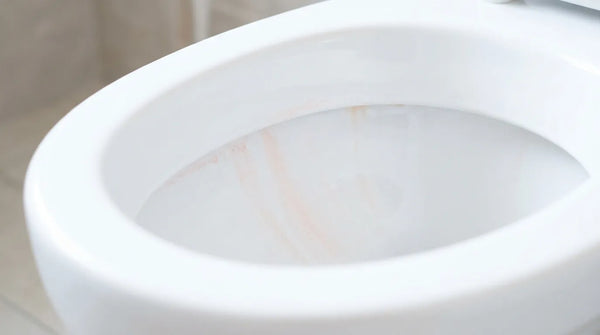
Let's be fair to the myth: it's not a total scam. If you pour a can of Coke into your bowl and let it sit overnight, you might see some improvement on light, fresh mineral staining. The mild acid content can help loosen the very top layer of a new deposit, especially combined with a bit of scrubbing afterward.
But here's where it falls apart for anything beyond a light touch-up:
- It's too diluted to tackle real limescale. Established hard water rings, the kind that have been building for weeks or months, need sustained acid contact at a meaningful concentration. Coke just doesn't bring enough acid to that fight.
- The sugar makes things worse, not better. Once the acid does its small amount of work, you're left with a bowl full of sugary syrup. That sugar can actually feed bacteria and contribute to the exact kind of biofilm and odor problems we've covered in why your toilet still smells even after you clean it. So you might trade a slightly lighter ring for a stickier, smellier bowl.
- You still need to scrub either way. Coke doesn't magically lift stains without elbow grease. Most of the "it worked!" testimonials online involve someone scrubbing after the soak, which means the scrubbing was probably doing most of the actual work.
The Real Test: Coke vs. Citric Acid
Here's the comparison that actually matters. Citric acid, the same mild acid found in lemons and limes, is one of the most effective and gentle descalers you can use on a toilet bowl. It's also, not coincidentally, one of the two acids present in Coke in the first place, just at a fraction of the strength.
A dedicated citric acid treatment, whether that's a powder soak or a continuous tank pod, delivers a controlled, meaningful dose of the exact acid that actually dissolves calcium buildup. Coke gives you a watered-down version of the same idea, plus a sugar bath your bowl definitely did not need. If you're curious how citric acid stacks up against other common household options in more detail, we broke it all down in do natural toilet cleaners actually work.
What About Other Soda-Based Cleaning Myths?
Coke isn't alone here. A whole family of "weird household item cleans your toilet" myths circulates every summer, usually right when people are hosting more and looking for a fast fix. A few quick verdicts:
- Denture tablets: Mildly effective for very light staining, for similar reasons to Coke, but not a serious limescale solution.
- Ketchup: Yes, this is a real internet suggestion. It contains vinegar and tomato acid, but the concentration problem is even worse than Coke's, plus you're now dealing with tomato residue.
- Kool-Aid packets (the unsweetened kind): Actually has a slightly better case, since some flavors contain citric acid at a higher relative concentration than a can of soda. Still not a substitute for a real descaling product, but closer to the right idea.
Notice the pattern. Almost every one of these "secret hack" myths is really just a diluted, less effective version of citric acid, the same ingredient sitting right there in your kitchen in a far more useful form.
When a Soda Trick Might Actually Make Sense
To be fair, there's one scenario where the Coke trick has some genuine merit: you're in a pinch, staying somewhere without proper cleaning supplies, and you've got a mild, fresh mineral ring that hasn't had time to really set in. In that specific situation, sure, pour in the flat Coke, let it sit an hour, scrub, and move on with your day. It's a reasonable emergency measure.
What it's not is a real strategy for keeping your toilet clean between real cleanings, and it's definitely not a fix for the kind of established ring that keeps coming back no matter what you throw at it. If that's your situation, the mineral deposit has likely built up enough that it needs sustained acid exposure, not a one-time sugary soak.
The Better Summer Fix
Summer is exactly when this problem gets worse anyway. Warmer water accelerates mineral bonding, and more houseguests mean more flushes bringing in fresh hard water minerals every single day. If you're dealing with a recurring ring that a can of soda isn't going to solve, the fix isn't a stronger soda or a longer soak. It's consistent, properly concentrated acid contact, ideally happening automatically instead of every time you remember to pour something in.
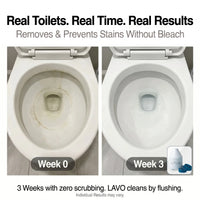
This is the entire idea behind a continuous citric acid pod. Instead of an occasional, weak, sugar-laden soak, it delivers a steady dose of real citric acid to your tank water with every flush, which is a meaningfully different approach than reaching for whatever's in your fridge. We compare this kind of consistent approach against traditional bleach-based routines in citric acid vs. bleach for toilet cleaning, if you want the full breakdown.
The Bottom Line
So, does Coke really clean your toilet? A little, sort of, under very specific conditions, while also leaving behind a sugary mess that can create new problems. It's not a myth built entirely on nothing, but it's also not a real solution, just a weak, syrupy cousin of the acid that actually gets the job done.
If you're tired of internet hacks that half-work and want the real chemistry doing the job properly, every flush, without the sugar bath, see how a continuous citric acid pod handles limescale the way soda never could.