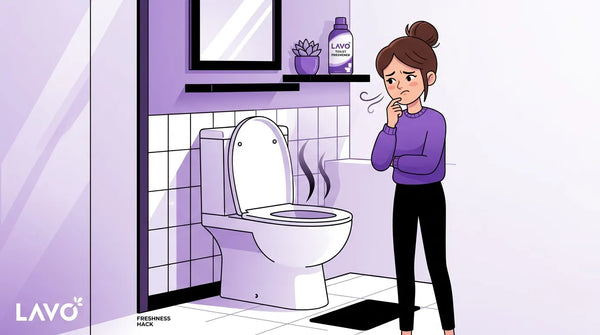

Quick Answer: A toilet that looks clean but smells is usually hiding organic material in places that aren't visually obvious: under the rim (a mineral-roughened surface that harbors bacteria), at the base of the toilet where it meets the floor (wax ring seal), inside the trap (U-bend), or in the toilet brush holder. Standard cleaning removes what's visible but misses these areas. Here's how to identify and address each source.
The Most Overlooked Source: Under the Rim
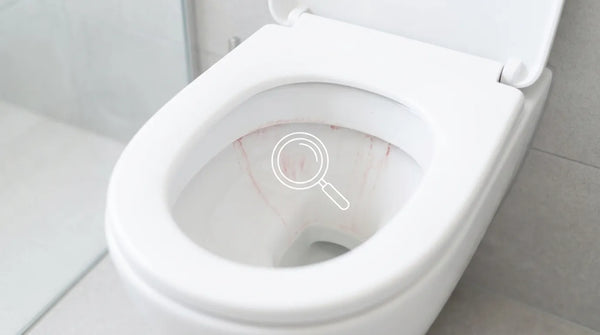
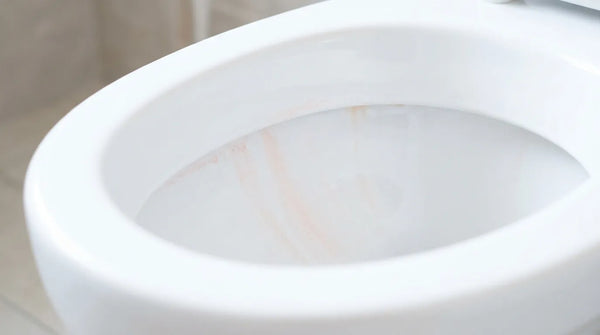
Look under the rim of your toilet bowl — the underside of the lip where the flush holes are located. Most people never do this. What you'll often find is: mineral buildup, bacterial biofilm, mold, and accumulated organic matter in a dark, damp environment that standard cleaning brushes rarely reach well.
Every flush pushes water through these holes. If they're partially blocked by mineral deposits, the flush is less effective — water doesn't distribute evenly around the bowl. The rough mineral surface under the rim is ideal for bacterial adhesion. Over time, it becomes a significant odor source even when the visible bowl surface is clean.
Fix: Soak strips of paper towel in a citric acid solution (or white vinegar) and tuck them against the underside of the rim. Leave for 1–2 hours. The acid dissolves mineral deposits, exposing and disrupting the bacterial biofilm. Remove, flush, and follow with a disinfectant spray application.
The Toilet Brush Holder (It's Worse Than You Think)
We've covered this in other contexts, but it bears repeating specifically in the context of bathroom odor. A toilet brush holder collects contaminated water from every use. The standing liquid in the bottom of the holder contains bacteria, organic material, and mold. It's an open container of waste-contaminated liquid sitting in your bathroom.
If your bathroom smells and you can't identify the source, hold the toilet brush holder up to your nose. Then immediately understand why that holder needs to go.
Fix: Dispose of the brush and holder if you can. If you keep them, clean the holder with a bleach solution or citric acid solution weekly. More practically, switch to disposable toilet cleaning wands (use once, dispose) and eliminate the holder entirely. If you use a LAVO system, you'll use the brush so rarely that the holder stays essentially clean.
The Wax Ring: The Odor Source Nobody Suspects
The toilet is sealed to the floor flange by a wax ring. This seal prevents sewer gas from entering through the base of the toilet. If the wax ring is cracked, compressed, or deteriorated — often due to toilet movement or age — sewer gas escapes around the base.
You'll notice the smell is strongest near the floor at the base of the toilet. The toilet may also rock slightly, which is a sign the wax ring is failing.
Fix: This requires removing and reinstalling the toilet with a new wax ring. It's a DIY job that takes about an hour for someone with basic plumbing competence, or a 30-minute plumber visit. A fresh wax ring typically solves this completely.
Organic Material in the Trap (U-Bend)
The toilet has a built-in water trap — the U-shaped section of the drain that always holds water. This water seal prevents sewer gas from rising through the toilet. However, organic material can adhere to the trap's surfaces over time, contributing to odor.
This is less common in regularly-used toilets (which flush frequently) but common in guest bathrooms or vacation homes.
Fix: Pour a cup of enzyme cleaner or citric acid solution into the bowl and let it work for 30 minutes before flushing. The enzyme cleaner breaks down organic adhesion inside the trap. Periodic use of this in low-traffic bathrooms prevents accumulation.
How Citric Acid Tank Pods Help With Odor
Beyond their primary role in mineral prevention, citric acid tabs in the tank contribute to odor control:
Continuous mild acidic environment: Slightly acidic water is less hospitable to the bacteria and mold that produce sulfurous and ammonia odors. The citric acid in your flush water does mild work on bacteria with every flush.
Fresh scent: LAVO's formula includes a fresh marine scent that lightly perfumes each flush. Unlike artificial air fresheners that mask odor, this is delivered continuously with the cleaning water — addressing the bowl consistently rather than just covering the air.
Mineral surface prevention: Mineral deposits create rough surfaces that harbor bacteria. By preventing mineral buildup, a citric acid pod also indirectly reduces the bacterial surface area available for odor production.
Frequently Asked Questions
Why does my toilet smell like urine even after cleaning?
Urine odor usually comes from the areas around the base of the toilet, the floor around the toilet, or the toilet seat hinges — places where urine splashes and isn't cleaned regularly. Hinges on toilet seats accumulate organic material. Lift the seat completely and clean under and around the hinge hardware. Clean the floor at the base of the toilet. If the smell persists, it may also indicate a partial wax ring seal failure.
Why does my bathroom smell like sewage intermittently?
Intermittent sewer smell often comes from a dry trap in a less-used drain (floor drain, secondary sink) — the water seal evaporates. Pour water into any rarely-used drains monthly. If the smell comes from the toilet specifically, a failing wax ring is the most likely cause.
Can a citric acid toilet cleaner eliminate odor completely?
It significantly reduces the biological sources of odor in the bowl itself. It doesn't address wax ring issues, toilet brush holder issues, or urine on the floor. As part of a comprehensive approach, it substantially improves bathroom smell.
Does the blue color from LAVO stain the toilet bowl?
No. The blue tint is natural to the citric acid formula and doesn't stain porcelain. It disappears completely with each flush cycle as fresh tank water replaces bowl water.
What's the best deodorizing toilet cleaner?
Products that address the bacterial source of odor (enzyme cleaners, mild acid cleaners) work better than air fresheners for persistent smell. Air fresheners mask odor; cleaners eliminate it. A citric acid tank pod plus periodic enzyme cleaner down the bowl is a highly effective deodorizing combination.
A clean-smelling bathroom isn't about air fresheners — it's about eliminating the bacterial and mineral sources of odor at their origin.