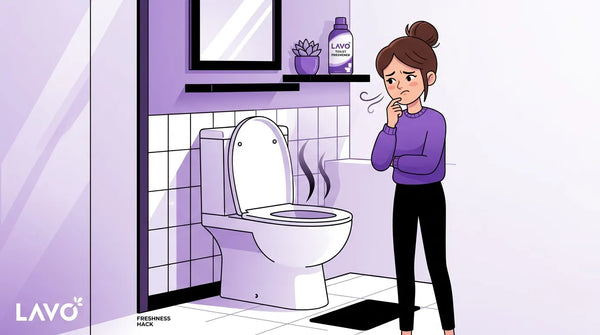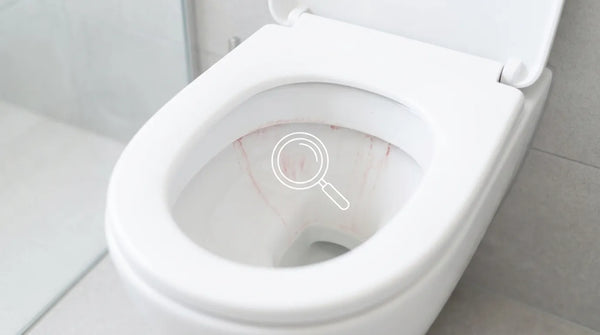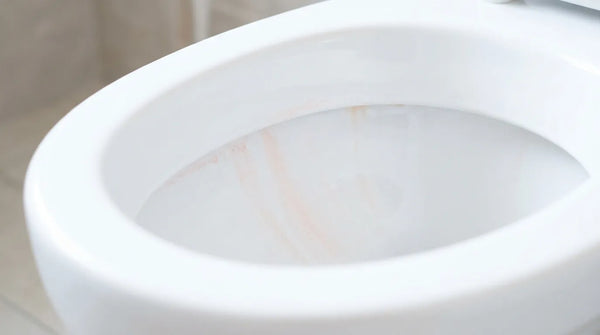

You finally dealt with the pink ring in your toilet. Then you noticed the same pink film creeping around your shower drain. Then, somehow, it showed up in your dog's water bowl on the back porch. If you're wondering why is there pink stuff in my bathroom and now my pet's water bowl too, you're not losing your mind, and you definitely don't have three separate problems.
You have one very persistent bacteria that loves exactly one thing: standing moisture. And summer, with its heat and humidity, is basically throwing it a party.
It's the Same Culprit Everywhere It Shows Up
The pink or salmon-colored slime you're seeing in your shower, sink, and pet bowl is almost always Serratia marcescens. It's a common airborne bacteria that lives pretty much everywhere in low numbers. It only becomes visible once it finds a spot with two things it loves: constant moisture and a food source like soap residue, mineral film, or the biofilm left behind in a water bowl.
We covered the toilet version of this in detail in Pink Stains in the Toilet: What They Are, What They Are Not, and When to Worry. But here's the part that surprises people: your toilet was never the actual source. It was just the first place you happened to notice it.
Why It Spreads to So Many Spots at Once
Think of your home as having several "microclimates" that are perfect for this bacteria. A shower drain sits wet almost all day. A pet's water bowl sits out at room temperature for hours, slowly growing a thin biofilm on its walls. A humidifier tank holds standing water for days. Each one is its own little colony waiting to happen, and they're not connected to each other. You're not spreading it from the toilet to the bowl. You're just seeing the same species pop up independently in every spot that gives it what it needs.
This is actually good news. It means fixing your toilet ring doesn't automatically clear up the shower drain, and vice versa. Each spot needs its own attention.
Where to Check Around Your Home
Once you know what you're looking for, it shows up in more places than you'd expect:
- Shower drains and grout lines — constant moisture plus soap scum is a five-star buffet.
- Pet water bowls — especially plastic ones, since scratches in the surface trap biofilm that's nearly impossible to fully rinse away.
- Humidifiers and essential oil diffusers — standing water sitting for days at warm room temperature.
- Bathroom caulk around the tub — especially if it's slightly cracked, since bacteria loves hiding in the tiny gaps.
- Kids' bath toys — the ones with a hole where you squeeze water in and out are notorious for growing pink slime inside where you can't even see it.
Is Any of This Actually Dangerous?
For most healthy adults, no. It's more gross than genuinely harmful. That said, a few situations deserve more caution. Pet bowls matter because animals drink directly from a surface growing active bacteria, and repeated exposure isn't ideal for their gut health. Bath toys matter for the same reason with small kids, since squeeze toys often end up in mouths. And if anyone in your home is immunocompromised, it's worth being more diligent about cleaning these spots regularly rather than letting them build up.
How to Actually Get Rid of It (In Every Spot)
Here's the good news: it's genuinely easy to kill. The bad news is that scrubbing without addressing why it kept showing up means you'll be doing this again in two weeks.
For the Shower Drain
A simple mix of white vinegar and warm water, left to sit for ten minutes before scrubbing, handles most cases. If it's a recurring problem in the same spot, dry the area completely after each shower rather than letting water sit in the drain overnight.
For the Pet Water Bowl
Wash it daily with hot water and dish soap, not just a quick rinse. Once a week, run it through the dishwasher on a hot cycle if it's dishwasher-safe, or soak it in a diluted vinegar solution for fifteen minutes. Switching from plastic to stainless steel or ceramic also helps a lot, since plastic scratches easily and those tiny scratches are where biofilm loves to hide.
For the Humidifier
Empty and dry the tank completely between uses instead of leaving water sitting in it for days. A weekly vinegar rinse through the tank and base keeps buildup from ever getting a foothold.
For the Toilet (Since You're Already Here)
This is where things connect back to your original pink ring problem. Scrubbing removes what's visible, but if you're dealing with hard water on top of the bacteria, the mineral layer underneath gives the bacteria something rougher to grip onto, which makes the whole cycle repeat faster. A citric acid-based approach handles both problems at once: it dissolves the mineral buildup that hard water leaves behind, and the acidic environment it creates is much less hospitable for bacteria like Serratia marcescens to settle into long-term.
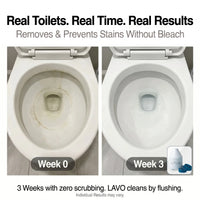
This is exactly the mechanism behind LAVO's approach to the toilet specifically. Instead of a one-time bleach scrub that kills what's visible today and does nothing about tomorrow's flush, a continuous citric acid pod keeps the water mildly acidic with every use, which makes it a lot harder for that pink ring to re-establish itself in the first place.
Why Summer Makes All of This Worse
If you're noticing this problem more in July and August than you did in February, that's not a coincidence. Warmer temperatures speed up bacterial reproduction across the board, and higher humidity means more of your home's surfaces stay damp longer between cleanings. A pet bowl that dried out in an hour during winter might stay slightly damp for most of a hot summer afternoon, which is exactly the window this bacteria needs to establish itself.
We go deeper on this seasonal pattern, specifically for toilets, in why your toilet smells worse in summer. The short version applies here too: heat and humidity are working against you in every damp corner of your home, not just the bathroom.
The Bottom Line
Finding pink slime in more than one spot around your house doesn't mean you have a spreading infestation. It means you have several separate damp environments that all happen to be perfect for the same common bacteria, and summer is making all of them more active at once.
The fix is the same everywhere: reduce standing moisture, clean regularly instead of reactively, and for surfaces like your toilet where hard water is also part of the equation, treat the mineral buildup so bacteria has less to grab onto in the first place.
If your toilet is the spot where this keeps coming back fastest, see how a continuous citric acid pod stops the ring and the bacteria that clings to it from ever getting a foothold.