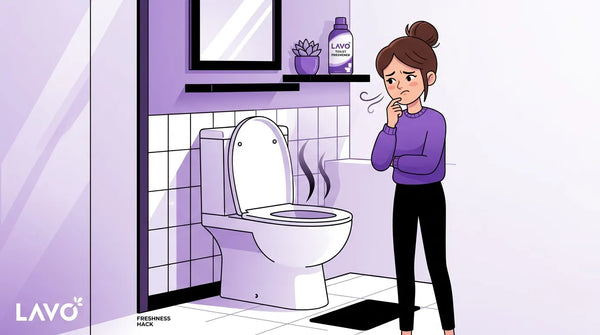


You cleaned the bathroom on Saturday. By Tuesday afternoon, in the middle of a heat wave, that same bathroom smells like it hasn't been touched in a week. If this pattern feels seasonal, that's because it is. Summer doesn't just make you sweat more — it makes your toilet's chemistry work against you.
This isn't the same story as a toilet that smells right after flushing, or one that smells musty no matter the season. This is specifically about why the exact same toilet, cleaned the exact same way, smells noticeably worse once the temperature climbs. The answer comes down to three things: evaporation, bacterial activity, and humidity trapping odor molecules in the air instead of letting them dissipate.
Heat Speeds Up Everything You Don't Want Sped Up
Bathrooms are essentially small, enclosed rooms with a constant water source and organic material passing through regularly. In cooler months, that combination is manageable. Add summer heat, and you accelerate two processes at once.
First, warm temperatures dramatically increase bacterial reproduction rates. The bacteria responsible for that lingering "toilet smell" — the kind that clings to the underside of the rim, the tank waterline, and any residue in the bowl — multiply far faster once ambient temperature rises above roughly 70°F (21°C). Many bathrooms, especially upstairs ones or those without strong ventilation, regularly exceed that in summer.
Second, heat increases evaporation from the standing water in your bowl and tank. As water evaporates, it doesn't take the dissolved minerals and organic compounds with it — those get left behind, concentrated, and more likely to off-gas smell into the room. It's the same reason a puddle that dries out on a hot sidewalk leaves a visible residue ring, while one that dries slowly in cooler weather often doesn't.
Why Humidity Makes It Worse, Not Better
You'd think more moisture in summer air would dilute odor. It does the opposite. Humid air holds odor molecules close to surfaces instead of letting them disperse and exit through a vent or window. Combined with less airflow (many people run the AC with windows shut all summer), you get a bathroom that's essentially recirculating the same trapped air — and whatever's floating in it.
If you've noticed your bathroom smells noticeably better on dry, breezy days and worse on humid, still ones, this is exactly why. It's not inconsistent cleaning. It's atmospheric physics working against your porcelain.
The Tank Problem Gets Worse in Summer Specifically
Most people never think about their toilet tank until something goes wrong, but the tank is actually ground zero for a lot of summer odor complaints. Tank water sits for hours between flushes, and in summer heat, that stagnant water becomes a much more active breeding environment.
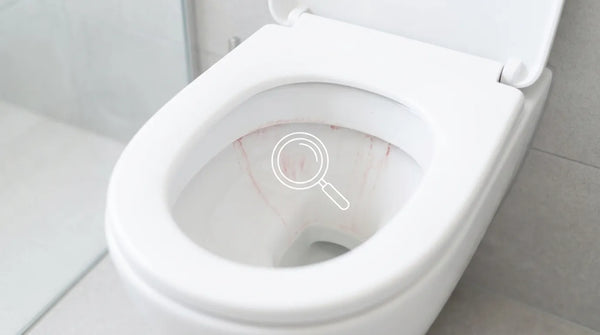
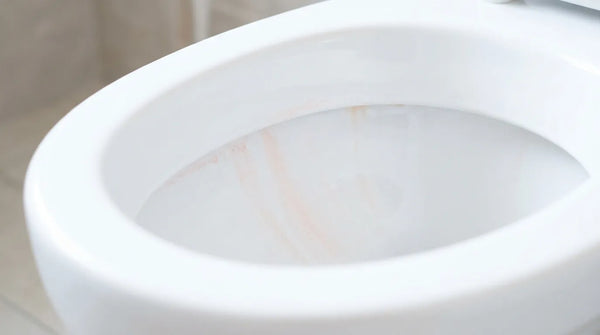
If your home has any hard water minerals at all, warmer water temperatures also make those minerals bond to surfaces faster — which is part of why toilet rings can seem to reappear more aggressively in summer than winter. We've broken down exactly how that mineral bonding process works in Why Does My Toilet Bowl Get a Ring So Quickly?, but the short version for summer specifically: warmer water plus more evaporation equals faster buildup, faster odor, and a shorter window before your "clean" toilet starts smelling not-so-clean again.
It's Not Just the Bowl — It's the Whole Bathroom Ecosystem
Summer also means more bathroom traffic in a lot of households: kids home from school, guests over for barbecues and pool days, more showers taken per day. Each additional use adds moisture and organic material to a space that's already working overtime to stay fresh in the heat.
This is also the season when embarrassment about bathroom smell peaks. Nobody wants a guest walking into a bathroom that smells noticeably "off" during a summer get-together, especially when you know you cleaned it days ago and can't figure out why it's not holding up.
What Actually Helps (Beyond Cleaning More Often)
The instinct is to clean more frequently in summer, and to some degree, that helps. But if the root cause is stagnant tank water, mineral concentration from evaporation, and accelerated bacterial growth, scrubbing the visible bowl surface more often only addresses what you can see — not what's actually driving the smell.
1. Improve Airflow, Even If It Feels Counterintuitive in Heat
Running the bathroom exhaust fan for 15–20 minutes after each use, even in summer, helps displace the humid, odor-trapping air before it has a chance to settle into fabric, grout, and surfaces.
2. Stop Relying on Bleach Tablets to "Handle It"
A lot of people reach for stronger bleach tablets in summer, assuming stronger chemicals mean a stronger fix. Bleach disinfects, but it does not address mineral concentration or biofilm hiding under the rim, and it can actively damage tank components over time. If you're currently using drop-in tablets and wondering whether that habit is helping or hurting, our piece on whether bleach tablets are bad for your toilet tank lays out exactly what's happening inside your tank right now.
3. Address the Water Itself, Not Just the Surface
Because so much of the summer odor problem originates in standing tank water — concentrated by evaporation and warmed into a more active bacterial environment — the most effective fix targets that water directly, continuously, rather than reactively scrubbing the bowl every few days. A citric acid-based tank pod works by keeping the water itself slightly acidic with every flush, which does two things simultaneously: it prevents minerals from concentrating into stubborn deposits, and it makes the environment far less hospitable to the bacteria driving most of that lingering smell.
If you've already noticed your toilet smells fine right after cleaning but not "fresh" in the way you'd expect, that's a related but distinct issue worth understanding on its own — we cover the difference in why your toilet can smell clean but not fresh.
The Bottom Line for Summer Bathrooms
Your toilet isn't failing you more in summer because you're cleaning it wrong. Heat accelerates bacterial growth, evaporation concentrates mineral and organic residue, and humidity traps odor molecules in a room with less natural airflow than you'd get in cooler months. Scrubbing more often treats the symptom for a day or two. Addressing the tank water directly is what actually breaks the cycle for the rest of the season.
If you're tired of your bathroom losing the battle against summer heat no matter how often you clean, it might be time to stop fighting the water and start treating it. See how the LAVO pod keeps your tank water working against odor and buildup all season long — not just right after you clean.