
The Quick Physical Diagnosis
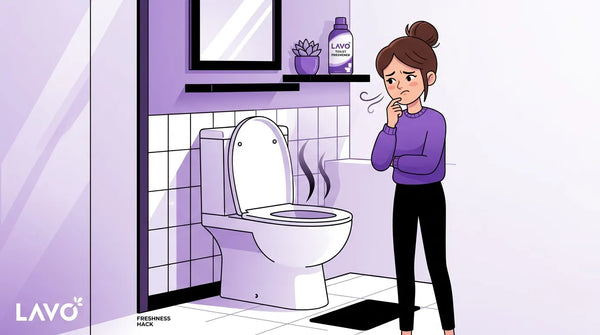
When odor peaks immediately following a flush, the toilet's mechanical movement is actively pushing gas into your bathroom.
You can narrow down the culprit in under two minutes by testing where the air escapes:
-
Sniff at the base where the porcelain meets the floor tiles.
-
Lift the tank lid and check whether the standing water smells stale or sulfurous.
-
Check whether other drains in the bathroom gurgle when the toilet empties.
-
Inspect the hidden underside of the bowl rim using a small hand mirror.
The Four Real Causes
A sudden burst of odor during a flush almost always points to air displacement rather than a dirty bowl.
1. A Compromised Wax Ring
The wax gasket under your toilet creates a gas-tight seal between the porcelain horn and the sewer pipe. When this seal cracks or dries out, the sudden rush of flush water pushes trapped sewer air outward through the base gap. If the toilet wobbles even slightly when you sit down, the wax ring is compromised.
2. A Blocked Plumbing Vent Stack
Your drainage system relies on a vertical roof vent to equalize air pressure when wastewater drains. If leaves or debris block the vent on your roof, flushing creates negative suction that pulls water out of nearby sink or tub traps. That empty trap lets raw sewer gas burp directly into the room.
3. Anaerobic Biofilm Under the Rim
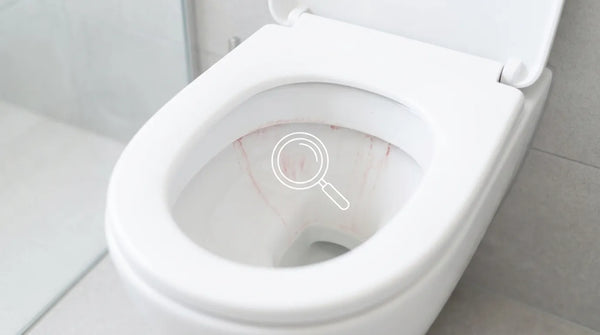
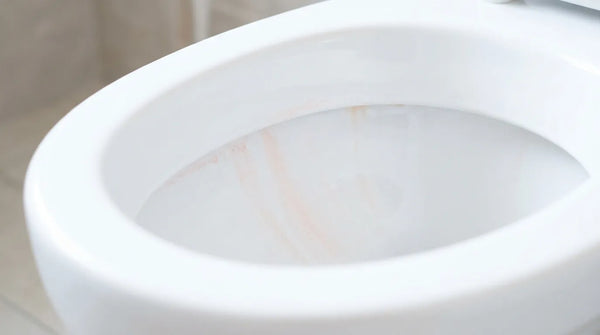
The microscopic flush holes under the rim stay damp, dark, and warm all day. Bacteria and mold colonize these channels, forming a slimy biofilm that feeds on mineral scale. When water rushes through the rim during a flush, it aerosolizes those bacterial colonies straight into the air.
4. Stagnant Water and Tank Sludge
Water sits in your toilet tank for hours between uses. In hard water homes, minerals settle at the bottom of the tank, creating a rough bed where bacteria and iron algae thrive. Every flush pulls this stagnant mixture into the bowl, releasing a musty or swampy odor.
Comparing Causes and Fixes
What You Can Fix Immediately
Plumbing fixes require basic tools, while bacterial issues require changing your water chemistry.
If the smell comes from the floor or a wobbly base, replace the wax ring or tighten the closet bolts. If the smell comes from other drains gurgling during a flush, inspect your roof plumbing stack for clogs.
For odors coming from the water itself, avoid chlorine drop-in tablets. Bleach oxidizes rubber flappers, causes leaks, and fails to dissolve the mineral scale where odor-causing bacteria hide. Instead, use a mild acid solution to flush the rim jets and dissolve organic buildup trapped inside the tank channels.
The Long Term Solution
When the smell originates inside the tank or rim channels, one-time manual scrubbing only buys a few days of relief before fresh minerals and bacteria rebuild.
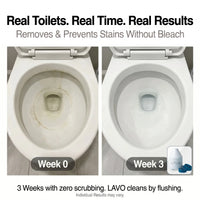
The most reliable way to keep flush water fresh is continuous prevention at the water source. A slow-release citric acid system keeps the water slightly acidic, neutralizing mineral scale and stopping bacterial biofilm from anchoring under the rim.
To keep your tank fresh and eliminate recurring waterline rings automatically with every flush, explore the LAVO Brushless Care Pod.