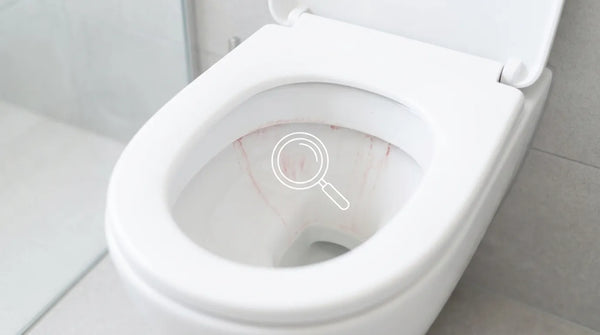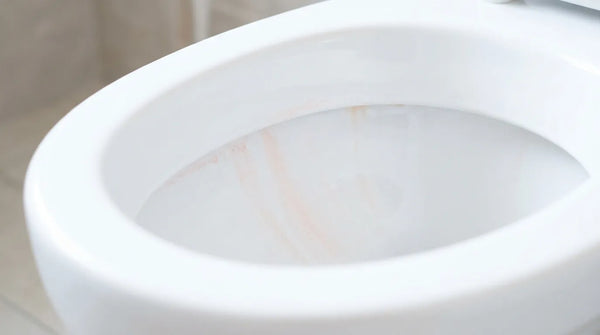

Quick Answer: A zero-effort bathroom uses preventive chemistry and smart material choices to minimize what needs cleaning. The toilet is the biggest win: a citric acid tank pod handles it automatically. Shower glass benefits from a daily squeegee and periodic citric acid treatment. The sink needs only a weekly 60-second wipe. Total maintenance time: under 10 minutes per week, most weeks.
The Philosophy Behind Low-Maintenance Bathrooms
Every bathroom cleaning task exists because of a problem that forms over time. Mineral deposits build on porcelain and glass. Soap scum forms on shower surfaces. Mold grows in damp grout. Bacteria accumulate on frequently touched surfaces.
Low-maintenance bathroom design reduces the rate at which these problems form — using chemistry, materials, and habits that interrupt the buildup cycle. You're not cleaning less frequently in a dirty bathroom; you're cleaning less frequently because there's less to clean.
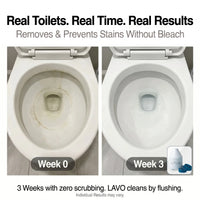
The toilet is the most dramatic example. Hard water deposits with every flush. Using continuous citric acid chemistry — specifically the LAVO pod in your tank — stops deposits from forming at all. The toilet, which most people clean weekly or biweekly, becomes something you wipe the exterior of once a week and swap a tab in once a month. Interior bowl: no attention needed.
The LAVO Bathroom: Surface by Surface
The Toilet
Install a citric acid tank pod. Done. From this point:
- Interior bowl: maintains itself with every flush
- Exterior (seat, lid, handle, base): wipe with a disinfectant wipe twice a week
- Monthly: swap the tab in the pod (30 seconds)
- Quarterly: optional under-rim wipe with citric acid solution
Total weekly effort: 90 seconds.
The Shower Glass
Hard water is the enemy of shower glass too. A squeegee pulled across the glass after every shower takes about 20 seconds and removes the water that would otherwise deposit minerals as it dries. This single habit reduces shower cleaning frequency by 70%.
For periodic treatment: spray diluted citric acid solution (1 tablespoon per cup of water) on the glass, let it work for 15 minutes, rinse. Hard water spots on glass dissolve easily with this treatment.
The Showerhead
If your showerhead is restricting flow or spraying unevenly, mineral deposits are blocking the jets. Remove the showerhead (usually just unscrews by hand), soak it in a bowl of citric acid solution or white vinegar for 30 minutes, rinse, reinstall. Flow restored.
For ongoing prevention: if your showerhead is compatible, a small amount of citric acid in a bag tied around the showerhead overnight once a month prevents significant buildup.
The Sink and Faucet
Citric acid spray on faucet handles and the sink basin dissolves mineral spots. Wipe surfaces dry after use (a microfiber cloth kept on the counter takes 10 seconds) and deep cleaning is rarely needed. Chrome fixtures respond well to citric acid and a microfiber cloth — no abrasives needed.
Grout and Tile
Baking soda paste + brief scrub handles most tile grout. For mold in grout, a diluted bleach solution (brief application, thorough rinse) is effective. Improving bathroom ventilation — running the exhaust fan during and for 15–20 minutes after showers — prevents most mold growth by reducing moisture.
The 10-Minute Weekly Bathroom Routine
Every day (2 minutes total across the week):
- Squeegee shower glass after showering (20 seconds)
- Wipe toilet exterior with disinfectant wipe (30 seconds, twice a week)
Once a week (6 minutes):
- Spray and wipe sink and counter (90 seconds)
- Wipe mirror (30 seconds — use a microfiber cloth, no cleaner needed)
- Spray and wipe faucet handles (45 seconds)
- Quick floor sweep or Swiffer (90 seconds)
- Check toilet bowl (0 seconds if LAVO is active)
Once a month (5 minutes):
- Swap LAVO tab (30 seconds)
- Citric acid spray on shower glass for extended treatment (5 minutes soak, 1 minute rinse)
- Wipe under toilet rim with citric acid solution (2 minutes)
That's it. Everything else is caught by the daily and weekly habits.
Products That Support a Low-Maintenance Bathroom
Citric acid tank pod (LAVO): Handles the toilet automatically.
Citric acid spray bottle (DIY): 1 tablespoon citric acid powder dissolved in 2 cups water in a spray bottle. Multi-purpose descaling spray for sink, shower glass, faucets.
Daily shower spray (optional): Commercial products or diluted citric acid spray — apply after showering without rinsing. Reduces soap scum buildup.
Microfiber cloths: Absorb more than cotton, leave fewer streaks, clean effectively with minimal or no product.
Exhaust fan timer: Running the fan for 20 minutes post-shower is one of the highest-impact mold prevention tools available.
Frequently Asked Questions
Can I use citric acid spray on all bathroom surfaces?
Yes for most surfaces: porcelain, ceramic tile, glass, chrome, most plastics, stainless steel (brief contact). Avoid natural stone (marble, granite) — acid etches calcium-containing stone. Use a pH-neutral cleaner on natural stone surfaces.
How do I prevent soap scum from building up in the shower?
Soap scum is a combination of soap residue and calcium from hard water. Switching from bar soap to liquid body wash dramatically reduces soap scum (liquid soaps have less soap fat to combine with calcium). Daily squeegee removes the calcium-containing water. Citric acid spray dissolves what builds up.
What's the single highest-impact change for bathroom cleaning efficiency?
For the toilet: the citric acid tank pod. For the shower: the daily squeegee. Both take under a minute to execute and dramatically reduce deep-cleaning frequency.
Is a bathroom that uses only citric acid really clean from a hygiene standpoint?
For normal household hygiene purposes, yes. Citric acid has mild antibacterial properties adequate for routine maintenance. For post-illness situations, supplement with a disinfectant for the surfaces the sick person contacted. Otherwise, citric acid maintenance + good ventilation handles the hygiene requirements of a normal bathroom.
What does the LAVO pod look like in the tank — would a plumber notice it?
It's a small, white plastic pod sitting in the back corner of the tank. Plumbers are familiar with in-tank products and routinely encounter them. A citric acid pod will likely prompt a positive reaction — it's the version that doesn't corrode their installation.
The fully set up low-maintenance bathroom starts with the toilet. Get the citric acid system running here and build from there.