
Quick Answer: To clean a toilet without scrubbing, you need chemistry working for you continuously — not reactive cleaning after the fact. A citric acid pod in your toilet tank releases cleaning acid with every flush, preventing mineral deposits from forming. After one initial clean (which you do scrub once, if needed), you never need to scrub again. The system maintains itself automatically.
Why Scrubbing Doesn't Actually Solve the Problem
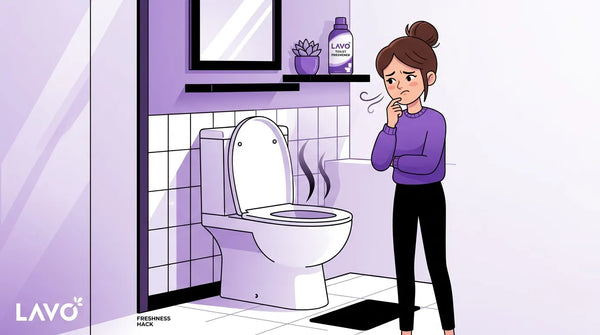
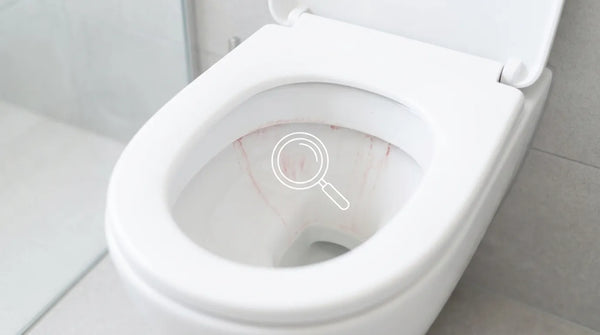
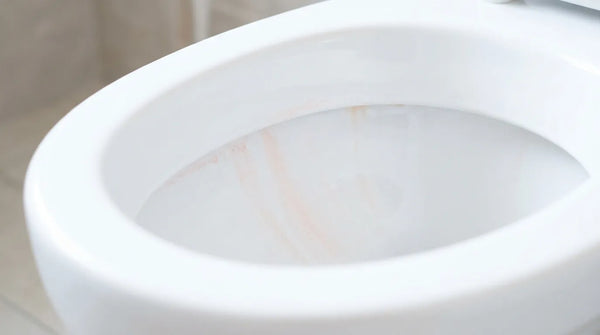
There's nothing wrong with you if your toilet needs scrubbing every week. The problem is the toilet's environment, not your cleaning habits. Hard water delivers mineral deposits with every single flush. Organic material from normal use provides food for bacteria and staining agents. The conditions for a dirty toilet bowl are constant and automatic.
Scrubbing is a reactive response to a continuous problem. You remove what's there, conditions immediately start recreating it, you repeat in a few days. This is an infinite loop with no exit — unless you change the conditions.
The no-scrub approach addresses the conditions rather than the results. It's fundamentally different from trying to clean more efficiently or finding a more powerful scrubbing product.
The Two-Phase No-Scrub System
Phase 1: One final scrub (skippable if your bowl is already clean)
If you have significant existing mineral buildup or staining, do one thorough clean before setting up continuous treatment. Use a product with acid chemistry — CLR, The Works, or a heavy application of citric acid powder mixed with water. This removes the historical buildup.
If your bowl is reasonably clean already, skip this step.
Phase 2: Install continuous citric acid treatment
Drop a citric acid pod into your toilet tank. Done. From this point forward, every flush delivers a micro-dose of citric acid into the bowl water. Mineral deposits can't adhere. Bacteria have a less hospitable surface to colonize. The conditions for a dirty toilet no longer exist.
The maintenance requirement from here: swap in a fresh tab once a month. Thirty seconds of work. No brush. No scrubbing. No bending over a toilet.
Does This Actually Work, Or Is It Wishful Thinking?
The chemistry is solid and well-understood. Citric acid reacts with calcium carbonate (the primary mineral in limescale) through a neutralization reaction, producing soluble calcium citrate that flushes away. This is the same reaction that happens when you use CLR to descale a kettle or a coffee maker.
Applied to your toilet tank, the constant low-level presence of citric acid in the flush water means calcium ions from hard water can't successfully precipitate onto the porcelain surface. They arrive, they're immediately involved in the acid reaction, they go into solution instead of depositing.
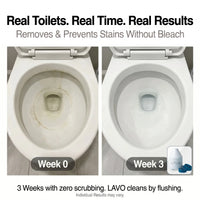
The result: no ring. Not "a smaller ring" — no ring. Users who've had hard-water toilet rings their entire lives report that the bowl simply stays clean, flush after flush, week after week.
LAVO delivers this chemistry through a reusable pod design. One pod housing, replace the tab inside once a month. The pod sits in the tank entirely out of sight. The bowl water has a slight blue tint that confirms the system is active.
What About Bacteria and Odor?
Citric acid has mild antibacterial properties, but it's not primarily a disinfectant. For households that want both mineral prevention and bacterial control, the approach is:
- Citric acid tank pod for continuous limescale prevention
- A quick wipe of the exterior (seat, lid, outside of bowl) with a disinfectant wipe once or twice a week — this takes about 60 seconds and doesn't require a brush or gloves
- Natural ventilation after use reduces odor and moisture
This combination gives you a genuinely clean toilet with minimal physical effort. The "scrubbing" part is eliminated because the chemistry handles what scrubbing was doing.
What Won't Work for No-Scrub Cleaning
Hanging rim cages/ducks: These deliver concentrated gel to the bowl rim on each flush. They don't treat tank water, so they don't address mineral deposits forming from the tank side. They also don't prevent the ring at the waterline.
Bleach tablets in the tank: They bleach existing deposits without dissolving them, and they cause rubber component damage. Not a no-scrub solution.
Periodic heavy cleaning with strong products: This removes what's there but the moment you stop, deposits rebuild. You're still in a reactive loop, just with less frequent cleaning.
Automatic rim cleaners that release during flush: Better than manual cleaning but typically bleach-based. Same limitations.
Frequently Asked Questions
Can I really go months without scrubbing my toilet if I use a citric acid system? Yes — with the caveat that you should wipe down exterior surfaces periodically (seat, handle, outside of bowl) and address any pre-existing mineral buildup with one initial deep clean. Once those conditions are met, the interior of the bowl maintains itself through citric acid chemistry with every flush.
Does the no-scrub method work in rentals where I can't modify anything? Yes. A citric acid tank pod sits in the cistern and requires no installation, no tools, and no modification to any plumbing. Remove it when you move out and take it with you.
What about the toilet brush that's already in my bathroom? Keep it for wipe-down of any new stubborn spot if one ever appears. In practice, most people report going many months between uses once they establish the citric acid system. Many end up throwing it away.
How long does it take to see results? Existing mineral rings typically begin dissolving within 48–72 hours of installing a citric acid pod. Within one to two weeks, most rings are fully dissolved. New rings don't form as long as the system is maintained.
Is this method safe for low-flow or dual-flush toilets? Yes. The pod works by releasing citric acid into the tank water regardless of flush volume. Low-flow toilets actually benefit more because the minerals are more concentrated per flush — having a citric acid buffer present is especially useful.
You can stop scrubbing forever, or at least schedule it for once a year at most. Set up your no-scrub toilet in 30 seconds here.