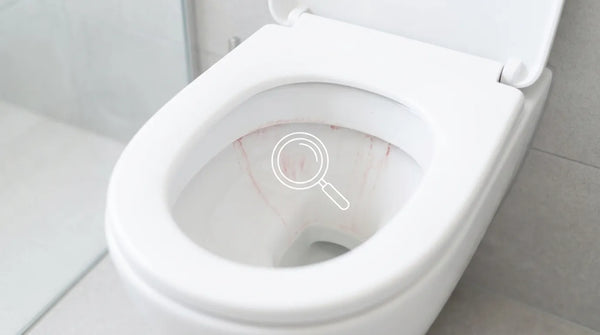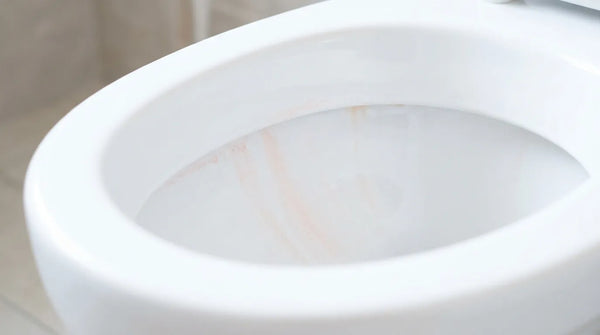


You clean the bowl. It looks white again.
Then a few days later, there it is a dark gray or black ring hugging the waterline, like the toilet is getting dirty faster than it psasossibly should.
Before you pour in stronger bleach or start scrubbing with a pumice stone, stop. A black ring is one of the few toilet stains where the cause matters more than the color.
Sometimes it is a simple surface biofilm. Sometimes it is mineral staining from your water. And sometimes the ring is trying to tell you something about the tank, the toilet’s use, or the water supply itself.
Quick answer
A black toilet ring is usually one of three things:
-
Biofilm or mildew when it feels slimy, wipes away in streaks, or returns quickly in a damp bathroom
-
Mineral staining when it feels dry, rough, or crusty, especially in homes with hard water, well water, or manganese in the supply
-
A tank or plumbing issue when black particles, recurring dark water, or strong odors appear along with the ring
The good news: most black rings are fixable. The important part is not treating every dark mark as mold — or every dark mark as limescale.
First: use the 10-second test
Put on gloves, wet a piece of toilet paper, and wipe a small hidden section of the ring.
If it smears or feels slippery
You are likely dealing with biofilm: a thin layer of bacteria, yeast, mildew, and organic residue that thrives where moisture stays put.
This is common when:
-
The bathroom stays humid after showers
-
The toilet is used infrequently
-
There is buildup under the rim
-
The tank has dark residue at its waterline
-
The bowl is regularly cleaned, but the water source is not
A slimy ring is unpleasant, but it is usually not a sign that your porcelain is damaged.
If it feels rough, gritty, or crusty
That points more strongly to mineral buildup.
Hard water minerals create a rough surface at the waterline. Once that rough layer is there, darker residue grabs onto it much more easily. In some homes, manganese or iron in the water can make those deposits look charcoal gray, brown-black, or nearly black.
This is why scrubbing can make the bowl look better for a day — but not solve the real problem. You removed the visible layer, not the rough mineral surface underneath.
If you see flakes or the water itself looks dark
That is different.
Black particles in the tank or bowl, dark water after flushing, or a sudden change in staining throughout sinks and tubs can point to a water-supply or plumbing issue. If it appears suddenly across several fixtures, contact your water provider or have well water tested.
Is a black ring in the toilet mold?
Sometimes, but not always.
People often call every dark bathroom stain “black mold.” A black ring at the waterline is more commonly a mix of biofilm, mildew, mineral residue, and ordinary organic buildup than the dramatic household mold scenario people fear.
What matters is the pattern:
-
Slimy and fast-returning: usually moisture-driven biofilm
-
Hard and stubborn: usually mineral scale carrying dark staining
-
Dark buildup inside the tank too: tank water needs attention
-
Musty smell, visible mold elsewhere, or persistent dampness: investigate humidity and ventilation, not just the bowl
If anyone in the home is immunocompromised, or if you have widespread visible mold and a persistent musty odor, use extra caution and consider professional guidance. But for a small ring in an otherwise normal toilet, start with the practical diagnosis above.
Why the ring keeps coming back
The frustrating part is that a black ring can return even in a toilet you clean regularly.
That is because the bowl is only where you see the problem — not always where it starts.
Every flush brings new water from the tank. If that water contains minerals, or if the tank has its own buildup, the bowl receives a fresh dose every time. Add standing water at the same waterline, a little humidity, and a rough mineral surface, and the ring has the perfect place to rebuild.
This is why “clean it harder” is usually the wrong long-term answer.
What to do based on what you find
For a slimy biofilm ring
Clean the bowl and under-rim area thoroughly with a bathroom cleaner appropriate for disinfection. Use a dedicated brush to reach under the rim, then rinse and let the bathroom dry out properly after showers.
Also lift the tank lid. If you see dark residue at the tank waterline, clean that separately — otherwise every flush can reintroduce the problem to the bowl.
For a rough mineral ring
Use a citric-acid-based cleaner or descaling treatment. Acid is what loosens calcium-based scale; bleach is designed to disinfect, not dissolve mineral deposits.
Avoid steel wool and harsh pumice stones. They can scratch the glaze, leaving a rougher surface that holds onto future staining even faster.
For a ring that keeps returning
Once the existing buildup is reduced, prevention matters more than another deep clean.
A controlled-release citric acid system helps keep calcium from building into that rough, stain-grabbing layer in the first place. That means less surface for dark residue to cling to — and far less need to scrub the same line week after week.
What not to do
-
Do not mix bleach with vinegar, citric acid, ammonia, or any other cleaner
-
Do not assume black automatically means dangerous mold
-
Do not keep using abrasive stones as a weekly solution
-
Do not put bleach tablets in the tank to solve a mineral ring; they do not dissolve scale and can be hard on rubber tank components over time
The goal is to identify the stain first, then use the chemistry that fits it.
When to call someone
A black ring usually does not require a plumber. But it is worth getting help if:
-
The toilet rocks or leaks at the base
-
You smell sewer gas, especially after flushing
-
Dark water or black flakes appear across several fixtures
-
Staining appeared suddenly after a change in water supply
-
You use well water and suspect manganese, iron, or bacterial contamination
That is no longer just a toilet-cleaning question. It is a water or plumbing question.
The better long-term fix
If your black ring is partly mineral-based — rough, stubborn, and always rebuilding at the waterline — a one-time deep clean only resets the clock.
LAVO’s controlled-release citric acid pod works with every flush to reduce the mineral layer that gives stains a place to hold on. It is not a substitute for cleaning existing mold or diagnosing a water-supply issue. But for the hard-water side of the problem, it helps stop the cycle where the bowl looks clean on Saturday and dark again by Wednesday.
A black ring does not always mean something serious is wrong. But it is almost always a sign that your toilet needs the right diagnosis — not a stronger version of the same cleaner.
See how LAVO helps prevent recurring hard-water buildup at lavopure.com.